At Mercive, we focus on conversion rate optimization (CRO) to help online shops make the most of their traffic.
We analyze user behavior, design experiments, and test hypotheses—all with the goal of improving your conversion rate without necessarily increasing your advertising budget.
We are a Shopify Premier Partner, and the work is built on experience from some of Denmark’s largest Shopify setups.
What is conversion optimization?
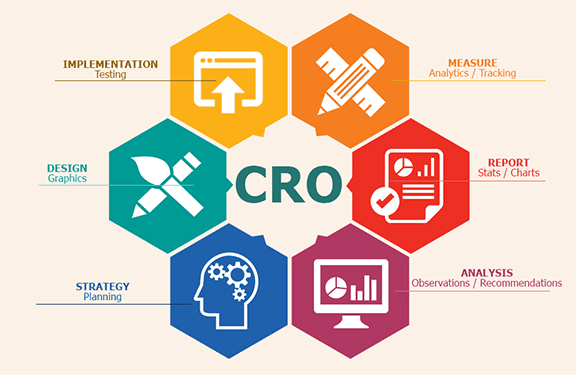
Conversion Rate Optimization is a methodical and data-driven process that improves a website's ability to convert visitors into customers or leads.
This can include purchases, newsletter sign-ups, contact inquiries – or something entirely different, depending on the company's goals.
The process typically consists of:
- Data collection (quantitative and qualitative)
- Hypothesis development based on data
- Experiments and A/B tests
- Implementation and scaling of winning variations
What does conversion optimization mean?
Although the concept may seem technical, it basically comes down to one thing:
Removing friction and making it easier for your users to say "yes."
It's about:
- Make information easier to find
- Minimize distraction and confusion
- Increase trust and security throughout the customer journey
- Optimize both technical performance and psychological signals
Conversion optimization for online stores: Here's how we work at Mercive
When we help webshops optimize their conversion rates, we always start with data.
We conduct a combination of:
- Google Analytics analysis (traffic, behavior, drop-off)
- Session recordings and heatmaps (e.g., Hotjar, Clarity)
- Mobile vs. desktop analysis
- Checkout flow analysis
We then design experiments – typically in the form of A/B tests, where we use tools that enable split tests at both the feature and theme level.
For example, we test:
- Different layouts for product display
- With or without campaign elements
- Sticky "add to cart" buttons
- Different forms of social proof and trust seals
We measure the effect directly on:
- Add to cart rate
- Checkout initiation rate
- Conversion rate
The results give us a clear picture of which changes actually create value – and which do not.
Google Analytics conversion optimization: Data that drives results
GA4 is a central tool in conversion optimization.
It provides insights into user journeys, and we use it for:
- Event tracking for clicks, scrolls, form starts, and video playback
- User segmentation based on device and traffic sources
- Tracking specific goals (e.g., "product view" → "add to cart" → "purchase")
- Identification of step-drop in checkout flow
With the correct setup of enhanced measurement and conversion goals, we can analyze performance at both macro and micro levels.
Conversion optimization tips: Practical improvements you can start with
Here are some of the optimization strategies we often implement:
- Test shorter vs. longer product descriptions
- Use sticky buttons on mobile
- Display delivery information clearly and early.
- Make checkout as frictionless as possible (fewer fields, fewer steps)
- Add badges such as "Trustpilot," "Secure Payment," "1-3 Days Delivery"
- Optimize page speed – especially on mobile devices
CRO: A continuous process – not a one-time effort
Conversion optimization is not a quick fix.
It is a continuous effort where we constantly adjust and improve based on tests and data.
At Mercive, we conduct ongoing testing cycles with documentation, conclusions, and new learnings that form the basis for the next iteration.
That's how we create lasting results.
Conversion rate: Your most important KPI
The conversion rate shows how good your webshop is at turning visitors into paying customers.
A higher conversion rate means:
- More revenue for the same traffic
- Lower CPA (cost per acquisition)
- Better performance in both paid and organic traffic
Although the industry average is around 2%, a good conversion rate depends on the industry, product category, and price point – and should always be viewed in context.
CRO and tools: What do we use at Mercive?
We typically use a combination of:
- Google Analytics 4
- Hotjar or Microsoft Clarity
- Shopify Analytics
- VWO, Convert.com, or Shopify-native A/B testing tools
- Custom dashboards with data visualizations on ATC, checkout rate, and CVR
Our test environments are set up to show effects on the key figures that drive revenue – not just clicks and views.
Conversion optimization agency: Why collaborate with us?
We combine data analysis, behavioral psychology, and practical e-commerce experience – and we take responsibility for both execution and impact.
As a conversion optimization agency, we focus not on cosmetic changes, but on actual improvements with documented ROI.
Conversion Optimization Copenhagen: Local Presence, International Experience
Although we work with clients across the Nordics and Europe, we also have many collaborations with companies in Copenhagen and the surrounding area.
If you are based in Copenhagen, we would be happy to offer consultation or workshops – either in person or online – where we can review your webshop and create a concrete optimization plan.